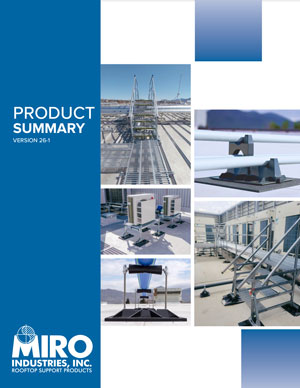

Installing rooftop pipe supports may seem straightforward, but small oversights can lead to major expenses down the line—think roof damage, system failures, safety hazards, and warranty issues. Whether you’re handling HVAC, plumbing, electrical conduits, or mechanical piping, avoiding these common mistakes will save time, money, and headaches.
1. Skipping Proper Load Calculations
One of the biggest mistakes is assuming all supports can handle any load. Every roof structure has weight limits, and every support is engineered for a specific capacity.
What goes wrong:
- Excessive load causes roof membrane deformation or punctures.
- Supports fail prematurely, leading to sagging or shifting pipe systems.
What to do:
- Always check the manufacturer’s load ratings.
- Calculate the combined weight of pipes, fluids, and accessories.
- Verify compatibility with the roofing manufacturer’s guidelines.
2. Using Improper Spacing Between Supports
Incorrect spacing can lead to pipe sagging, excessive stress at connection points, and long-term structural strain.
Common issues:
- Pipes bow under weight
- Joints loosen or crack
- Mechanical systems lose efficiency
Best practice:
Use spacing recommendations from both the pipe manufacturer and the support system provider to ensure optimal performance. Heavier pipes (e.g., steel) typically require closer intervals than those made of lightweight materials like PVC.
3. Installing Supports Directly on the Roof Membrane Without Protection
This is a costly error that leads to membrane damage and potentially voids the roofing warranty.
Why it’s a problem:
- Hard materials, especially metal, can wear down or puncture roofing materials.
- Thermal expansion and vibration increase abrasion over time.
How to prevent it:
- Use non-penetrating roof pipe supports with built-in, engineered bases designed to spread load and protect the membrane.
- Avoid makeshift materials like wood blocks, bricks, or rubber scraps.
4. Ignoring Thermal Expansion and Contraction
Pipes expand and contract with temperature changes, and failing to account for this movement causes stress and misalignment.
Consequences:
- Cracked joints
- Warped piping
- Premature support failure
Solution:
Install supports designed for movement, such as pipe roller supports or sliding bases. Ensure your layout allows for expansion clearance.
5. Failing to Level and Align Supports Correctly
Even slight misalignment can compromise your system.
Issues caused:
- Uneven load distribution
- Increased vibration
- Noise and premature pipe wear
Best practice:
Use a level during installation and confirm the entire pipe system maintains a straight, even line. Adjustable supports make fine-tuning significantly easier.
6. Choosing the Wrong Material for the Environment
Rooftops face extreme conditions—sun exposure, moisture, temperature swings, and sometimes corrosive environments.
Mistakes include:
- Using uncoated steel supports that rust
- Installing materials not rated for UV or chemical exposure
- Choosing components that degrade in high-temperature zones
Recommendation:
Pick supports made from corrosion-resistant and UV-stable materials like galvanized or stainless steel, polycarbonate, or engineered plastics.
7. Not Securing Pipes Against Wind or Seismic Activity
Rooftops are exposed to high winds, and in some regions, seismic movement is a real concern.
What happens:
- Pipes shift or topple
- Supports slide across the roof
- Damage spreads quickly in extreme weather
How to avoid this:
- Use wind and seismic pipe supports that have integrated restraints or add straps/clamps as needed.
- Verify compliance with local building codes and wind uplift requirements.
8. Overlooking Manufacturer Instructions
Each support system is engineered with specific installation steps. Ignoring these guidelines often results in failure and voided warranties.
Solution:
Always follow the installation manual and use the recommended accessories, fasteners, and spacing charts.
9. Treating Supports as “One-Size-Fits-All”
Different pipes require different support types—rollers, strut pipe supports, fixed-height blocks, seismic-rated bases, etc.
Mistake:
Using the same support style for all pipe runs, regardless of weight, movement, or function.
Fix:
Match support type to pipe function:
- Rollers for expansion movement
- Seismic or wind-rated supports for high-risk regions
- Adjustable supports for sloped roofs or uneven surfaces
- Fixed supports for stable, low-movement lines
10. Neglecting Regular Inspection and Maintenance
Even the best installation can develop issues over time if not maintained.
What can go wrong:
- Debris buildup
- UV degradation
- Pipe shifting from thermal cycles
- Minor roof wear going unnoticed
What to do:
Schedule inspections at least twice per year and after major weather events.
Final Thoughts
Installing rooftop pipe supports correctly is essential for protecting your roof, your equipment, and the long-term integrity of your building’s mechanical systems. Avoiding these mistakes ensures a safe, durable, and cost-effective installation.
MIRO is here to help. Get a Quote or book a Free Rooftop Design Consultation for expert guidance on the best support system for your needs.
FAQ
How do engineers properly calculate rooftop pipe support loads?
Calculate total system weight including pipe, fluid, insulation, and accessories. Verify support load ratings, roof capacity, wind uplift, and seismic requirements. Always confirm compliance with roofing manufacturer warranty limits.
What is the correct spacing for commercial rooftop pipe supports?
Spacing depends on pipe material, diameter, fluid weight, and temperature. Follow pipe manufacturer specs and mechanical code. Steel piping requires closer spacing than lightweight materials.
How can rooftop supports be installed without voiding the roof warranty?
Use non-penetrating supports with load-distributing bases approved by the roofing manufacturer. Never place metal, wood, or makeshift materials directly on the membrane.
How should rooftop systems account for thermal expansion and wind loads?
Specify roller or sliding supports for expansion. Use wind- or seismic-rated restraints where required by code. Movement planning prevents joint failure and pipe shifting.
What materials perform best for rooftop pipe supports?
Use corrosion-resistant and UV-stable materials such as galvanized steel, stainless steel, or engineered plastics. Material selection directly affects lifecycle cost and durability.